
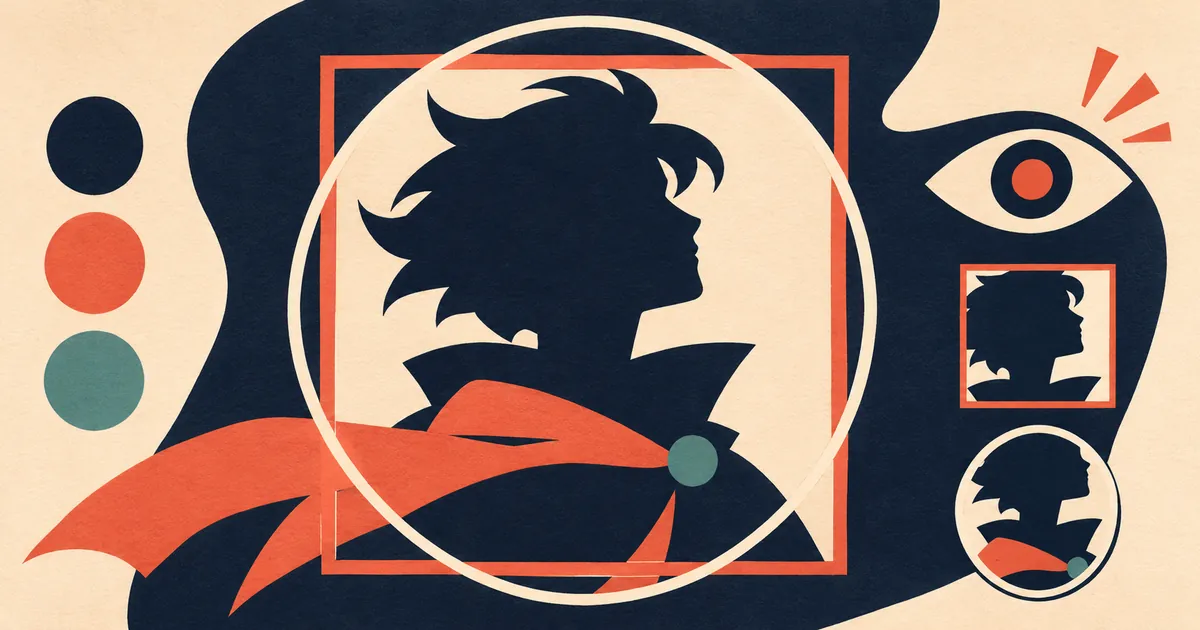
Short answer: Painterly game art should be studied as a hierarchy of decisions, not a brush filter. Identify the large value masses, the sharpest edges, the warm and cool shifts, and where texture is allowed to dissolve so the focal information remains playable.
Why Analyze Painterly Game Art
Game art operates inside an interface and production pipeline. Portraits, backgrounds, icons, and dialogue art may use different levels of finish. A useful analysis connects the expressive surface to readability, repetition, animation, and screen size.
Evidence record for How to Analyze Painterly Game Art
For How to Analyze Painterly Game Art, begin with squint at the value map and finish with check game context. The checkpoints below preserve the evidence and decision path for this specific task.
Squint at the value map
Reduce the image until the major light and dark masses reveal the composition without texture.
Trace edge hierarchy
Mark hard, soft, lost, and broken edges and compare their placement with the focal path.
Sample color relationships
Look for temperature shifts and muted support colors rather than listing isolated hexadecimal values.
Separate texture scales
Identify broad strokes, medium plane changes, and small accents, noting where each scale stops.
Check game context
View the art at its actual interface size beside text, controls, animation, and neighboring portraits.
How to Analyze Painterly Game Art in practice
A face may contain the sharpest eye and mouth edges while hair and clothing dissolve into the background. At full resolution this looks loose. At dialogue size it keeps the expression clear and lets the perimeter feel atmospheric without losing identity.
Related reading for How to Analyze Painterly Game Art
Disco Elysium visual analysis studies edge control, color grouping, and painterly suggestion in context; visual design and art style hub connects shape, color, readability, and reference analysis; and Pikabu Monster culture library collects the site's researched screen, costume, lore, and visual design guides.
Decision test for how to analyze painterly game art
Separate surface texture from structural decisions. Painterly work can still rely on precise value design, controlled focal edges, strong perspective, and carefully grouped color. Inspect the image at full size and thumbnail size, then compare sharp and soft transitions around the focal area.
Note where detail is implied rather than rendered. For game art, consider the asset's function, camera distance, animation, and interface context. A textured brush alone cannot reproduce the hierarchy or production constraints that make the original image effective. Compare several assets from the same project before treating one unusual frame as a consistent art-direction rule.
Limits of the how to analyze painterly game art method
Do not infer the software or brush from appearance alone. Similar surfaces can result from different tools, scans, textures, and production stages.
Sources used for How to Analyze Painterly Game Art
Reference set for How to Analyze Painterly Game Art: material supporting the visual design decisions on this page.