Lock the silhouette
Choose the coat length, shoulder shape, head shape, and major color blocks before surface details.

Choose a source-checked profile, practical culture guide, or responsible zodiac reference.
Practical costume research focused on silhouette, materials, safe props, wearability, and source accuracy.

A strong costume guide does more than list garments. It identifies the visual cues that make a design readable, shows which details vary between editions, and plans around movement, heat, visibility, venue rules, and budget. These guides use original diagrams and still lifes instead of copying costume photography without permission.
Choose the coat length, shoulder shape, head shape, and major color blocks before surface details.
Test sight lines, ventilation, stairs, sitting, transport, and quick removal before an event.
Keep a reference sheet for the exact comic, miniature, game model, or screen appearance being interpreted.
The strongest build choice protects recognition, movement, and safety at the same time. Use the table to decide which problem to solve first.
| Decision | Evidence to collect | Practical check |
|---|---|---|
| Silhouette | Front, side, and rear views from one named version | Can the design be recognized before surface detail is added? |
| Materials | Drape, stiffness, weight, ventilation, and attachment needs | Can the wearer walk, sit, see, and remove the piece quickly? |
| Props | Venue policy, transport rules, scale, and visual priority | Is the item lightweight, blunt, and clearly artificial? |
| Finish | Color blocks, wear pattern, and likely viewing distance | Does the finish improve recognition or only add close-up detail? |
Begin with Death Korps of Krieg Cosplay Build Guide, then compare its method with Lady Death Cosplay: Costume and Prop Guide. Each page answers a different reader question rather than repeating one template.
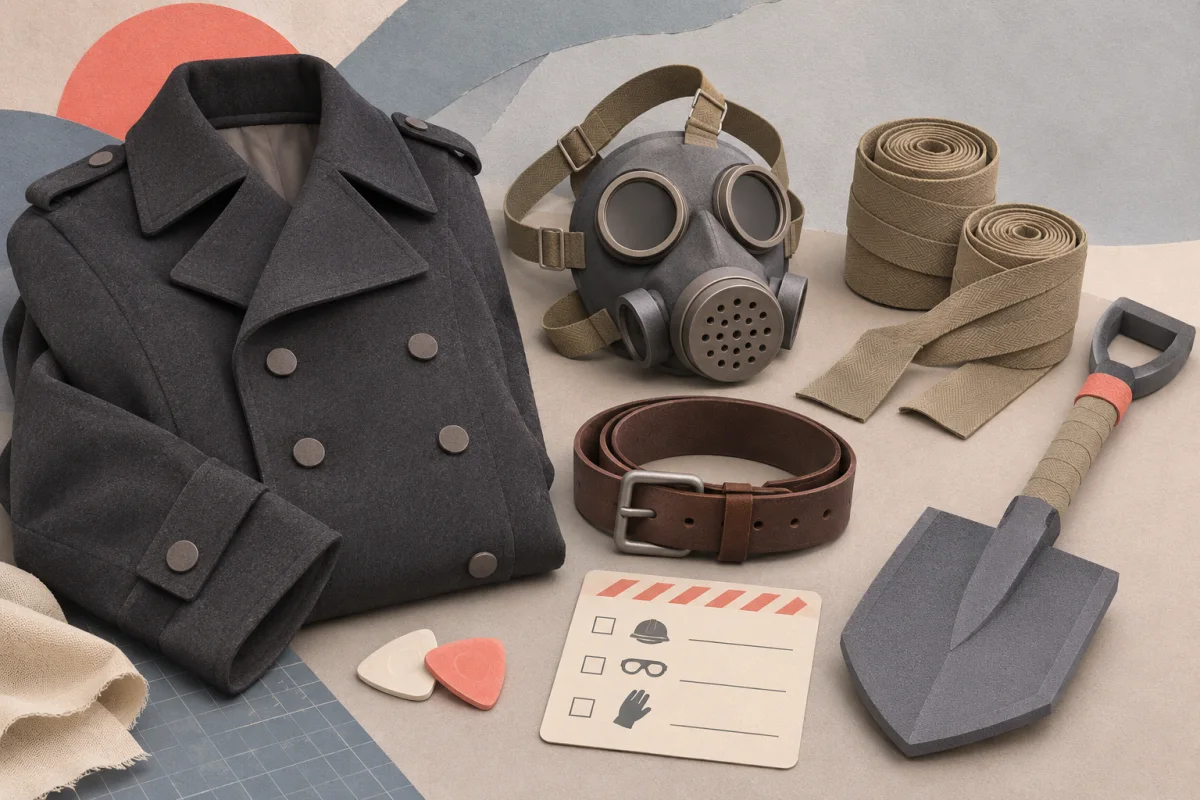
Plan a readable Death Korps of Krieg costume with a greatcoat, respirator, helmet, puttees, and safe props while keeping visibility and venue rules central.
Read Death Korps of Krieg Cosplay Build Guide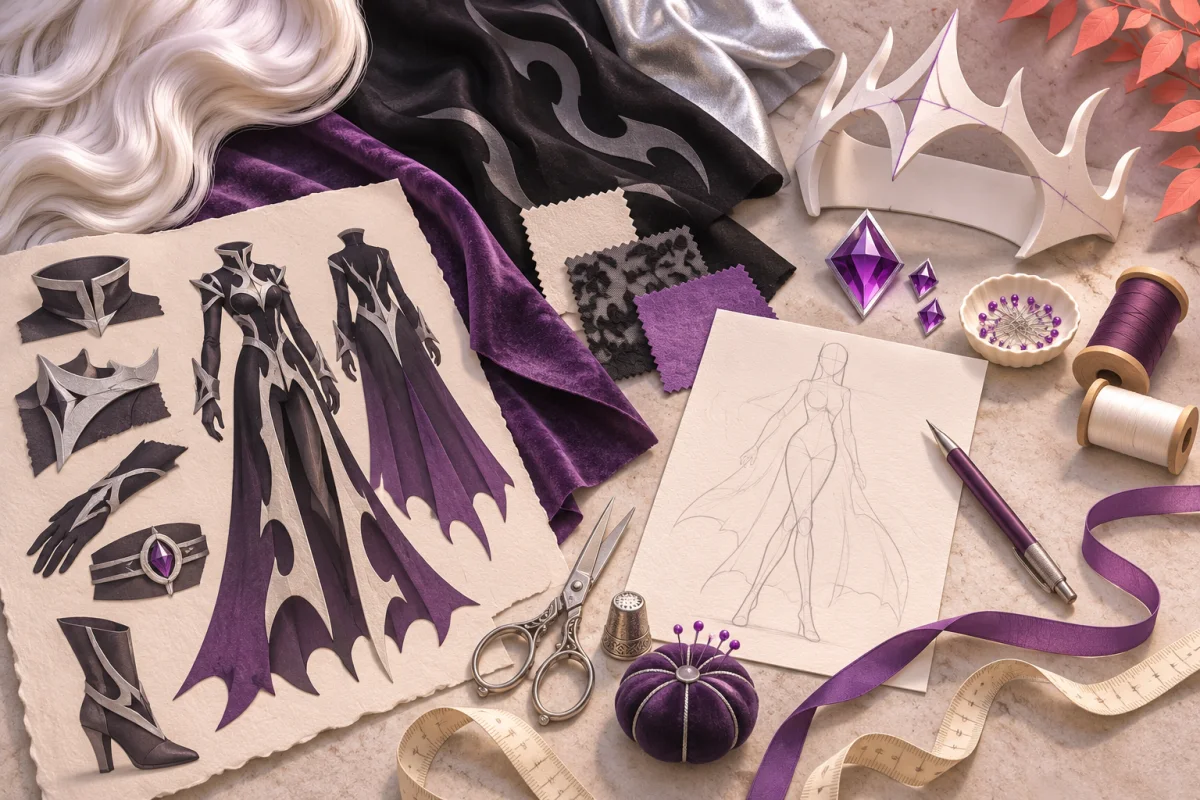
Choose a Lady Death comic reference, map the black, white, silver, and violet costume shapes, and build a secure convention-ready interpretation.
Read Lady Death Cosplay: Costume and Prop Guide
Identify Arthur Morgan's hat, understand its design, and compare replica details without confusing cover art with the in-game model.
Read Arthur Morgan's Hat: Design, Name and Replica GuideIdentify the silhouette, head shape, dominant color blocks, and one signature prop before buying small accessories. Test the outline from several meters away.
Record event temperature, wear time, visibility, mobility, transport, and quick-removal needs. Change hidden construction before changing the visual cues viewers use for recognition.
Choose one named issue, miniature, game model, or screen appearance as the controlling version. Label deliberate changes instead of blending incompatible details by accident.
Use the visual design and silhouette guides to diagnose readability before committing to materials and construction.
Use these methods when the question extends beyond one character, costume, artwork, or screen claim.
Plan a first cosplay by choosing recognition cues, setting a budget, testing movement, and checking venue rules before building.
Read Beginner Cosplay Planning GuideTake useful body, garment, armor, and movement measurements so costume pieces fit together and remain wearable.
Read Cosplay Measurement Checklist for Better FitReview materials, edges, mechanisms, visibility, transport, and convention inspection requirements before carrying a prop.
Read Cosplay Prop Safety ChecklistCompare drape, stretch, weight, sheen, durability, comfort, and sewing difficulty before buying costume fabric.
Read How to Choose Fabric for CosplayThey provide planning measurements and construction logic, but not copied commercial patterns or scans from licensed books.
The guides prioritize lightweight, blunt, clearly artificial props. Every builder must still check the rules of the event and transport system they will use.