
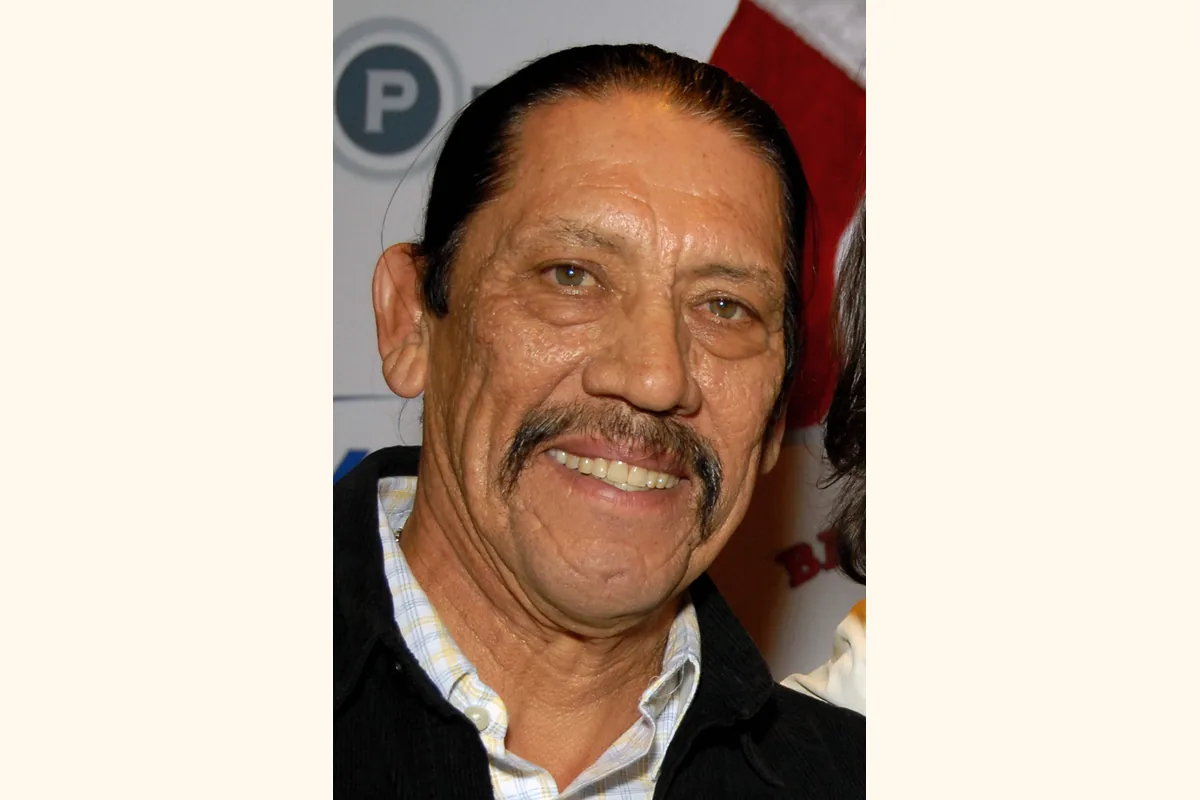
An unusual route into film
Trejo's account of entering film is tied to recovery support. Reporting on his memoir describes a visit to a production to help someone struggling with addiction, followed by work on Runaway Train. His boxing experience and appearance became useful on screen, but the recovery context is central to understanding the story.
Danny Trejo evidence snapshot
| Public detail | Supported description | Source status |
|---|---|---|
| Primary field | Film, television, and voice acting | Official biography |
| Early screen breakthrough | Runaway Train production in 1985 | Interview reporting |
| Known roles | Machete, Spy Kids, Heat, and Desperado | Official biography |
| Memoir | Trejo: My Life of Crime, Redemption, and Hollywood | Publisher record |
More than a single tough-guy role
Trejo became recognizable through intimidating character roles, then used that screen identity across action, comedy, animation, and family films. Machete made him a lead, while Spy Kids showed how the same visual persona could function in a very different tone.
Memoir, food, and public service
His official biography and publisher page cover work beyond acting, including restaurants, cookbooks, a memoir, and support for people in recovery. These are documented parts of his public career rather than side notes added from celebrity trivia pages.
Recovery work is not a decorative origin story
Trejo's account of reaching the Runaway Train production begins with helping another person in recovery. That context is repeatedly shortened into a chance-discovery anecdote. The fuller version matters because it connects his public service, memoir, and entry into film.
A profile should attribute this account to Trejo and reported interviews rather than presenting every retelling as independently verified. It should also avoid turning incarceration and recovery into spectacle detached from the work he says followed.
How one screen image moved across genres
Casting often used Trejo's face, voice, physique, and tattoos to communicate danger quickly. Later projects could keep that recognizable image while changing its function. In Machete it supports a lead action role; in Spy Kids the visual joke works inside a family film; voice roles use the vocal identity without the same physical cues.
Comparing those uses is more informative than compiling a long list of villain appearances, because it shows how an actor can redirect typecasting without pretending it disappeared.
Restaurants, books, and community work need separate evidence
An official biography can establish the projects Trejo publicly associates with, while publisher pages verify named books and accountable reporting supplies context about recovery advocacy. None of those sources alone proves every business-performance claim or charitable outcome. This profile therefore documents public projects without inventing revenue, impact totals, or private motives.
Current locations, menus, and availability should be checked through the relevant official business before a visit or purchase.
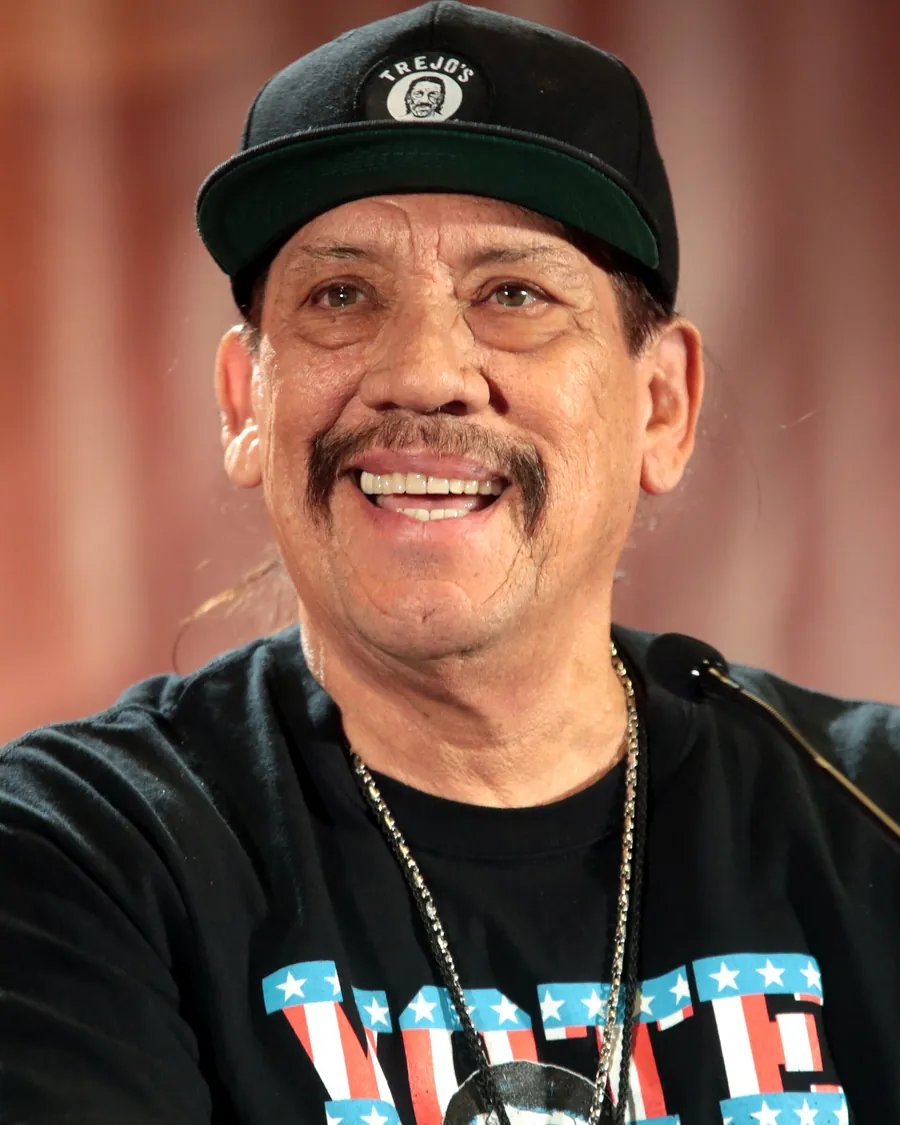
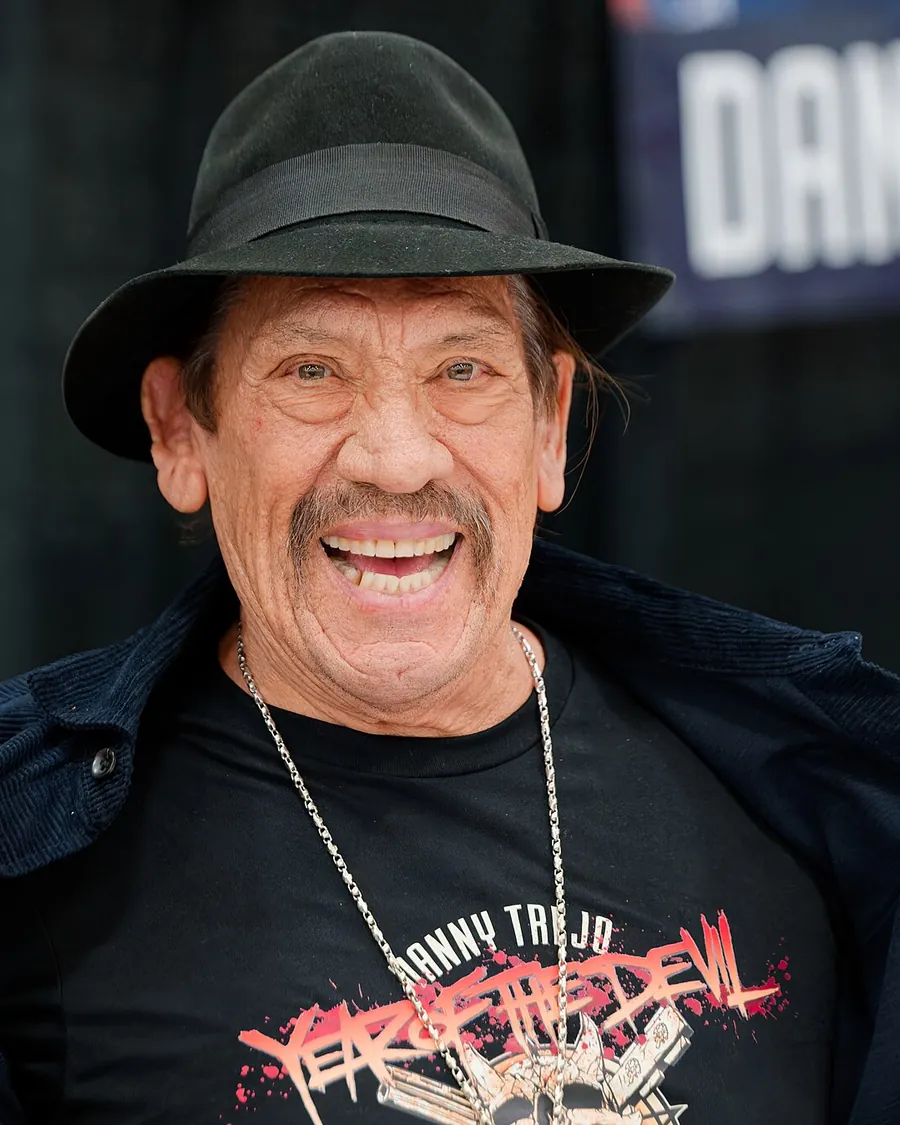
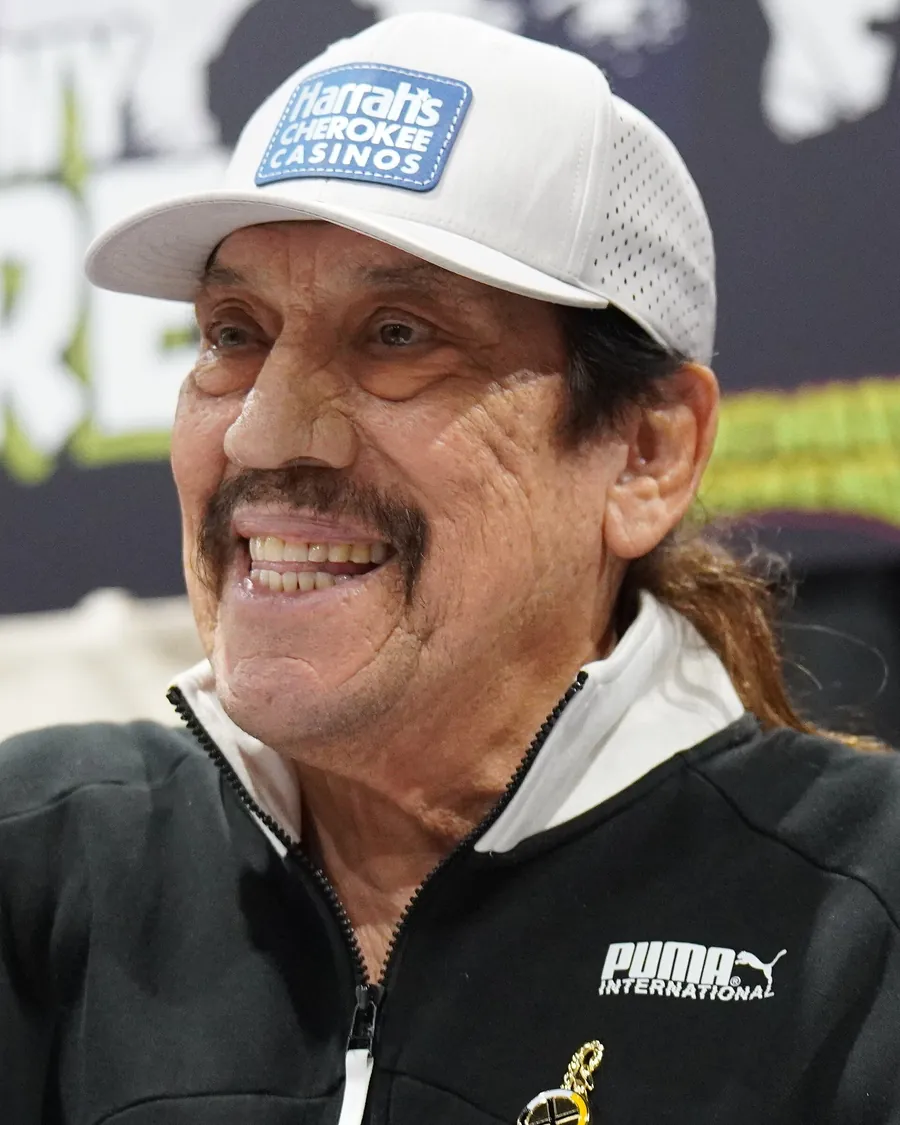
Danny Trejo in reusable editorial photography
Each image below includes its source and reuse terms.



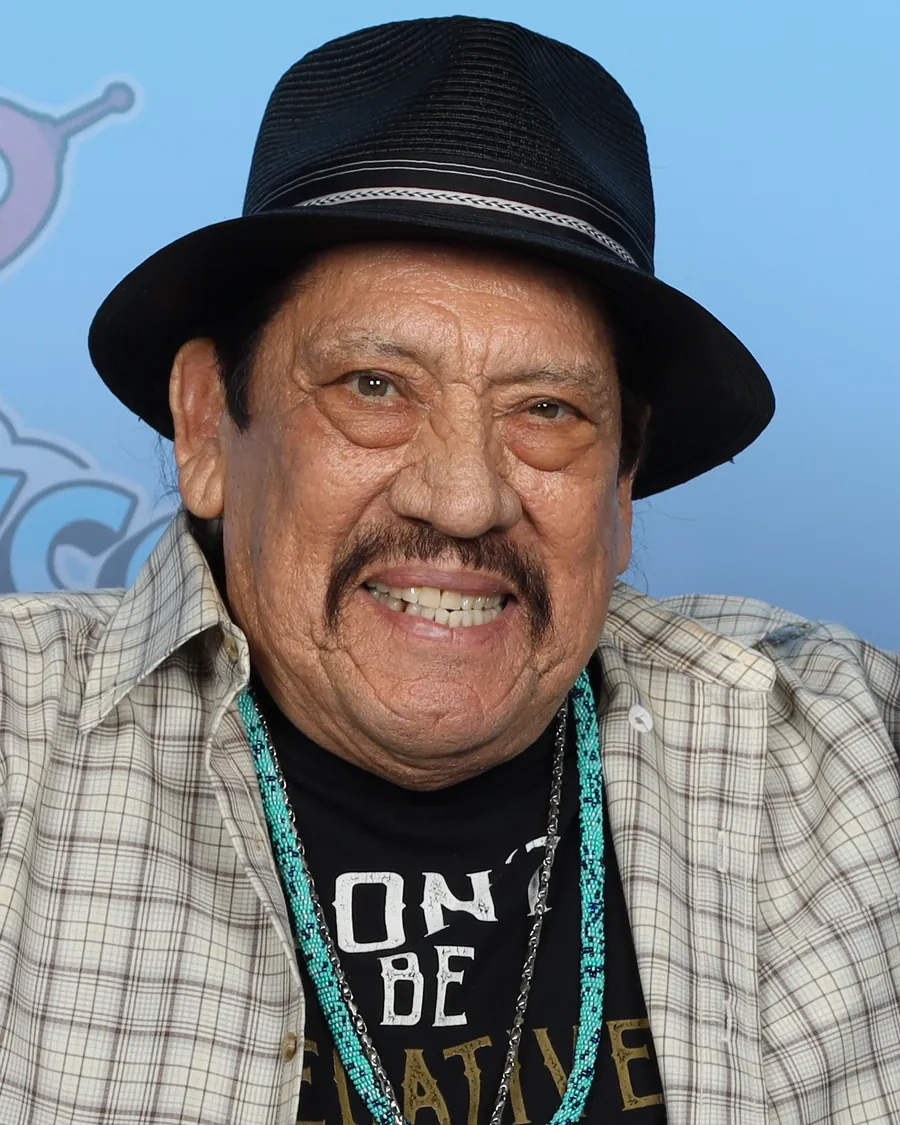

Source record for Danny Trejo
Film, television, restaurant, and community-work overview.
Memoir and author information.
Reported account of recovery and the start of his film career.
Questions readers ask about Danny Trejo
How did Danny Trejo get into acting?
Trejo describes visiting the Runaway Train production in connection with recovery support, then using his boxing experience on the film. The account should be read as his documented recollection, not an anonymous discovery legend.
Is Machete his only major role?
No. Machete made him a lead, while Heat, Desperado, Spy Kids, television, animation, and voice work show a much broader character-acting record.
Why is recovery included in a career profile?
It is central to Trejo's own account of entering film and to his later memoir and public work. It provides career context without requiring speculation about private medical information.
One recurring piece of screen imagery is examined separately in the Danny Trejo and Salma Hayek tattoo guide. For the other performer connected to that story, use the Salma Hayek career profile.
Correction or stronger source for Danny Trejo?
For this Danny Trejo profile, send the original record and identify the exact sentence it supports. Copied biography pages do not resolve a disputed claim.
Read the corrections process