
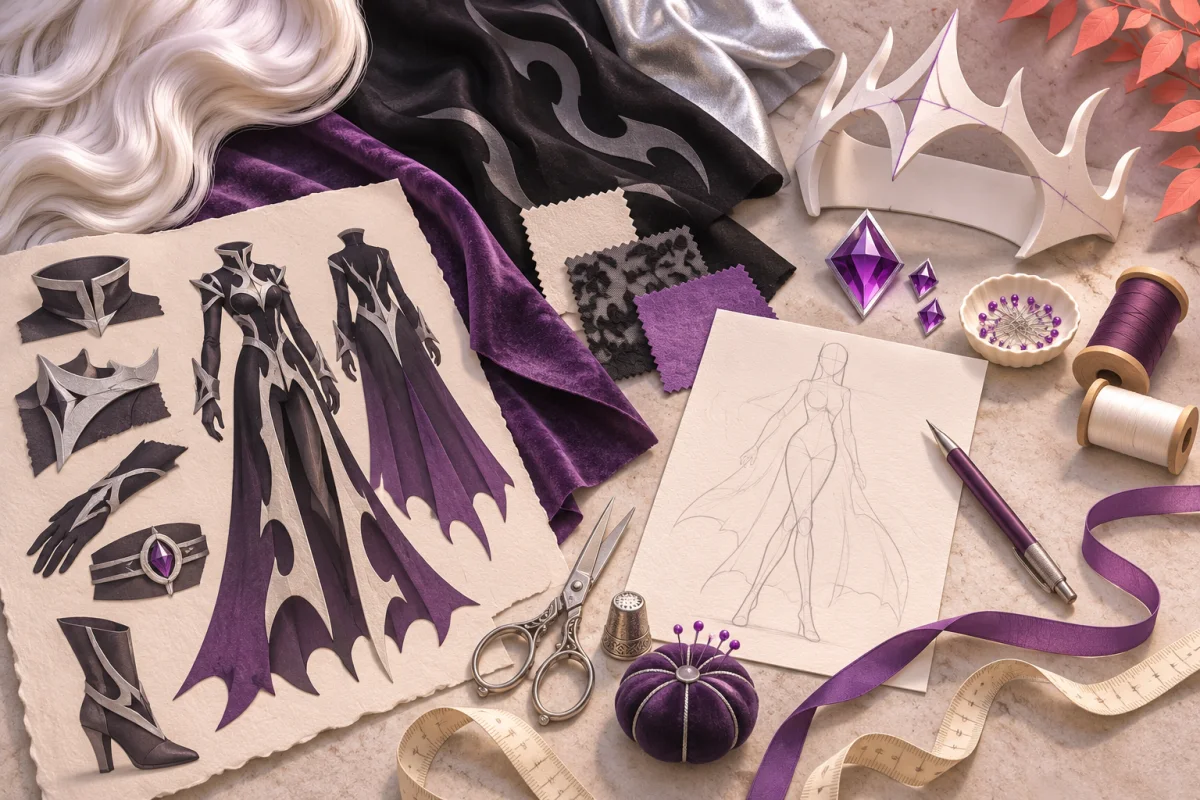
Short answer: A realistic cosplay budget includes consumables, failed tests, fasteners, finishing supplies, protective equipment, shipping, transport, storage, and event needs. Price the complete build in modules and decide which feature can be simplified before spending begins.
Why Make a Realistic Cosplay Budget
The headline material is often not the expensive part. Paint systems need primers and sealers, wigs need tools and products, patterns require tests, and imported pieces can add shipping or customs costs. A module budget shows where the design can change without abandoning the whole costume.
Limits of the how to make a realistic cosplay budget method
Do not finance a hobby build with money needed for housing, food, health, debt, or emergency savings. A simpler costume is a complete creative decision, not a failure.
Working sequence: Divide the costume
For How to Make a Realistic Cosplay Budget, begin with divide the costume and finish with protect a contingency. The checkpoints below preserve the evidence and decision path for this specific task.
Divide the costume
Create separate totals for garment, footwear, wig, makeup, armor, prop, electronics, transport, and repair.
Inventory what you own
Count a tool as available only if it is safe, working, and suitable for the chosen material.
Price tests and waste
Add mock-ups, swatches, spare fasteners, failed prints, shrinkage, paint samples, and learning pieces.
Add schedule risk
Rush shipping and emergency replacement are expensive, so set decision dates for buying, building, or simplifying.
Protect a contingency
Keep a fixed amount unassigned and do not spend it on decorative upgrades before the wearable test passes.
How to Make a Realistic Cosplay Budget in practice
A prop may appear cheap when only foam is counted. Adhesive, cutting blades, primer, paint, sealer, straps, transport case, and replacement material can double the module. Listing the system early may show that a smaller prop or rented tool is the better choice.
Decision test for how to make a realistic cosplay budget
Budget by risk and sequence, not only by shopping category. Reserve funds for mock-ups, failed samples, shipping, event-safe substitutions, travel protection, and last-week repairs. Price materials by usable quantity after shrinkage, nap, pattern matching, and minimum order sizes. Place optional upgrades after the costume reaches a wearable baseline. Track sunk costs separately from the amount still needed to finish. This makes it easier to simplify a feature without treating earlier spending as a reason to keep funding an unworkable plan.
Related reading for How to Make a Realistic Cosplay Budget
costume and cosplay reference hub connects source research with safe, practical build planning; Death Korps of Krieg cosplay guide balances recognizable design cues with venue safety and wearable construction; and Lady Death costume and prop guide breaks a stylized comic design into fabric, fit, and prop decisions.
Sources used for How to Make a Realistic Cosplay Budget
Reference set for How to Make a Realistic Cosplay Budget: material supporting the cosplay planning decisions on this page.